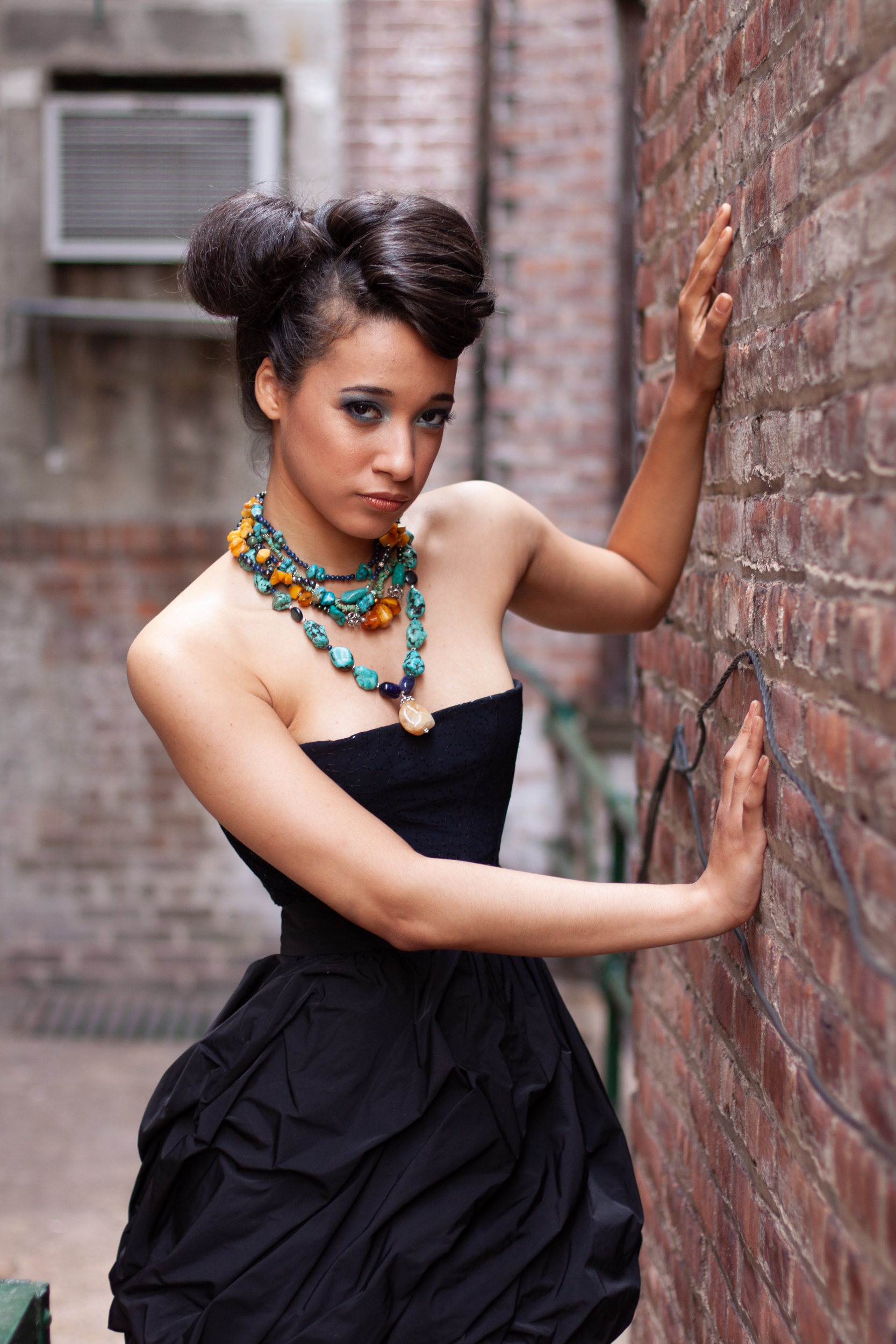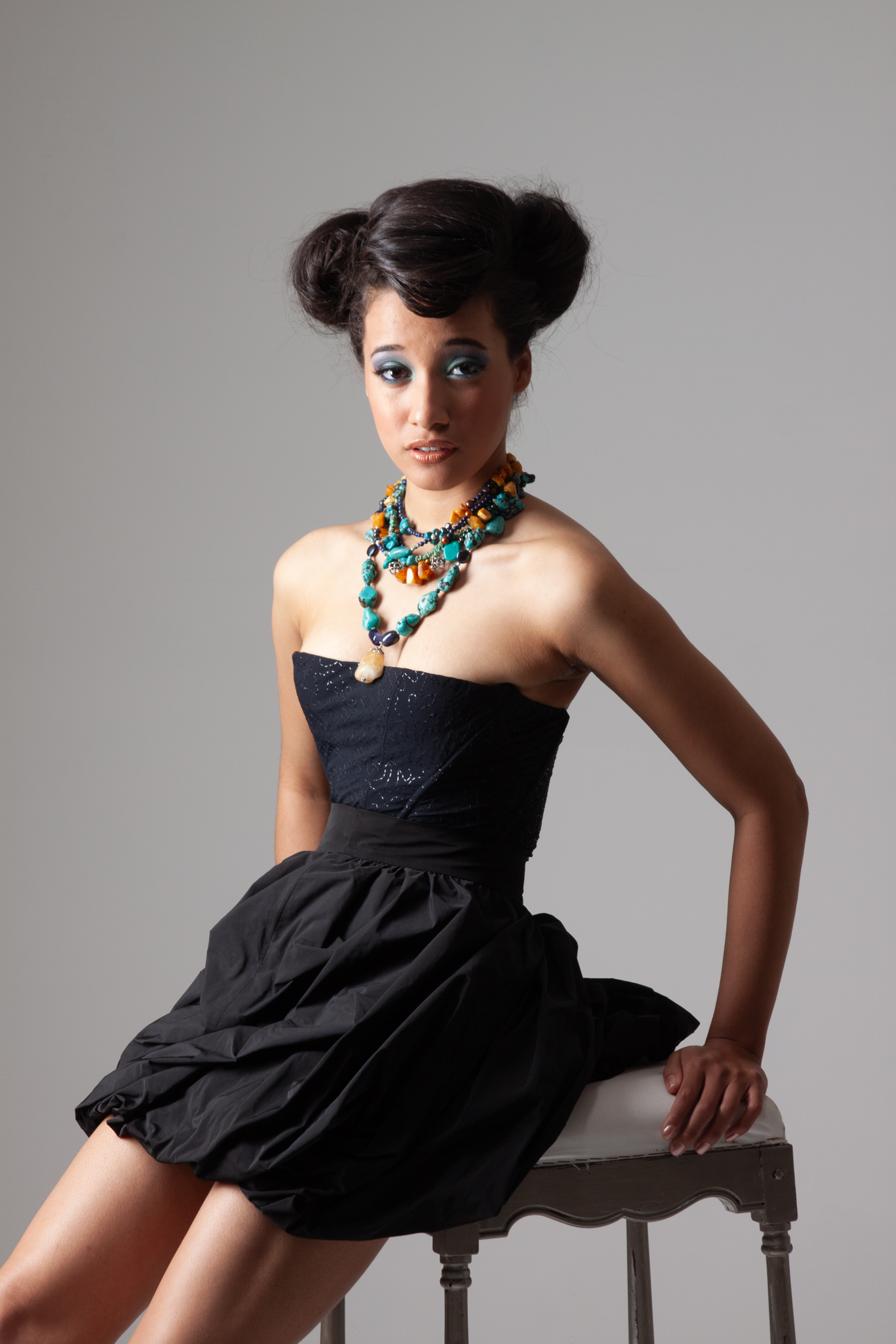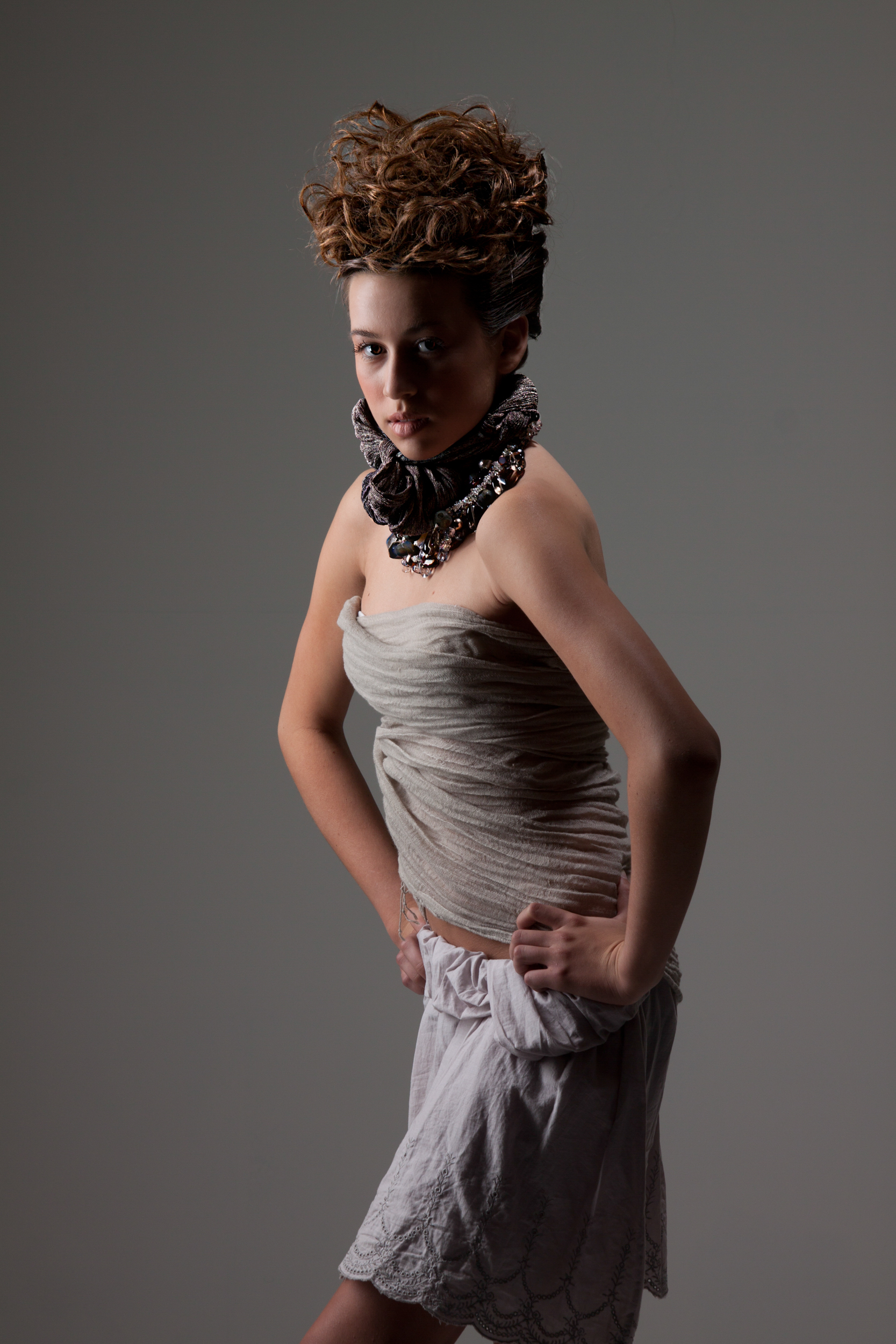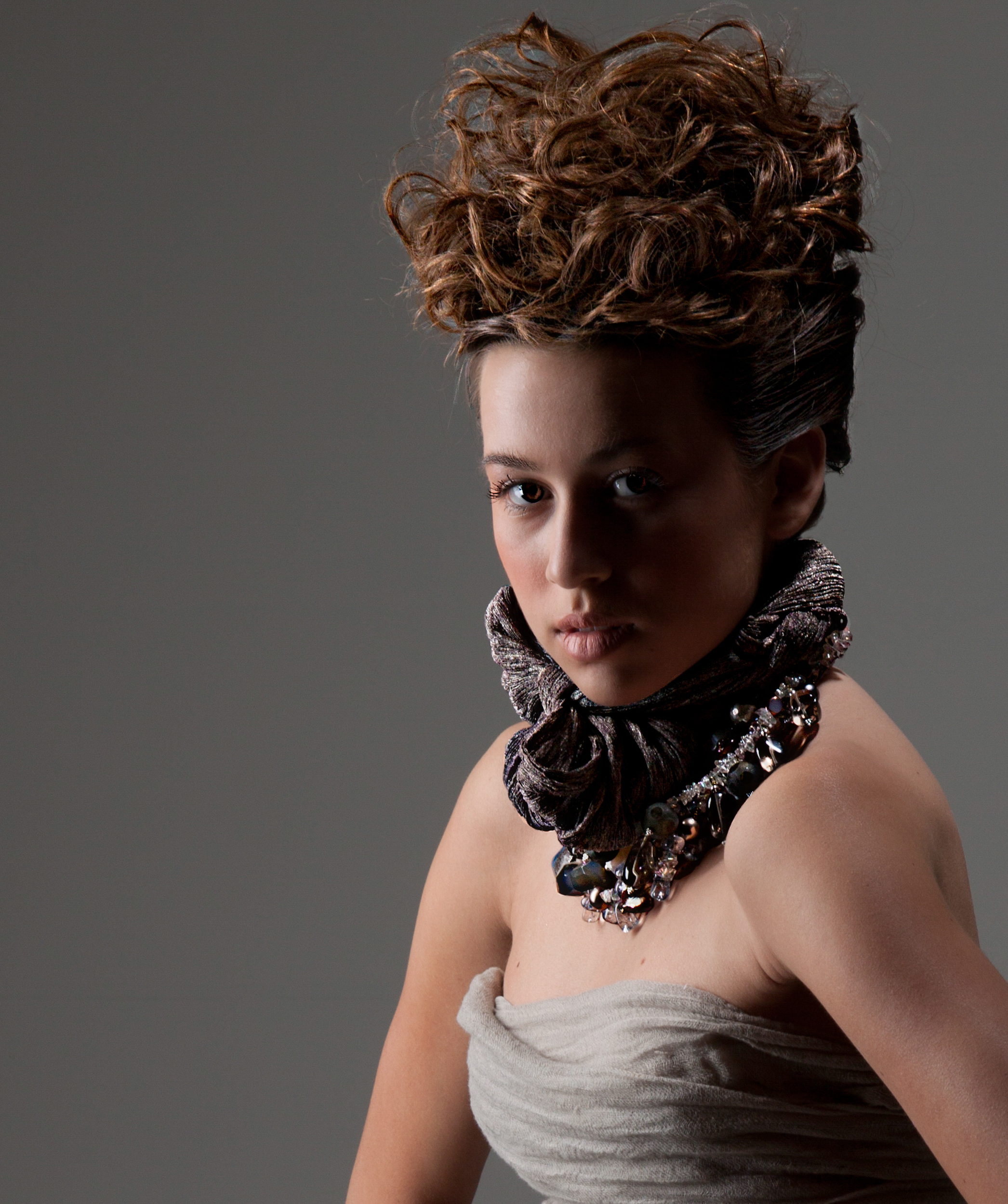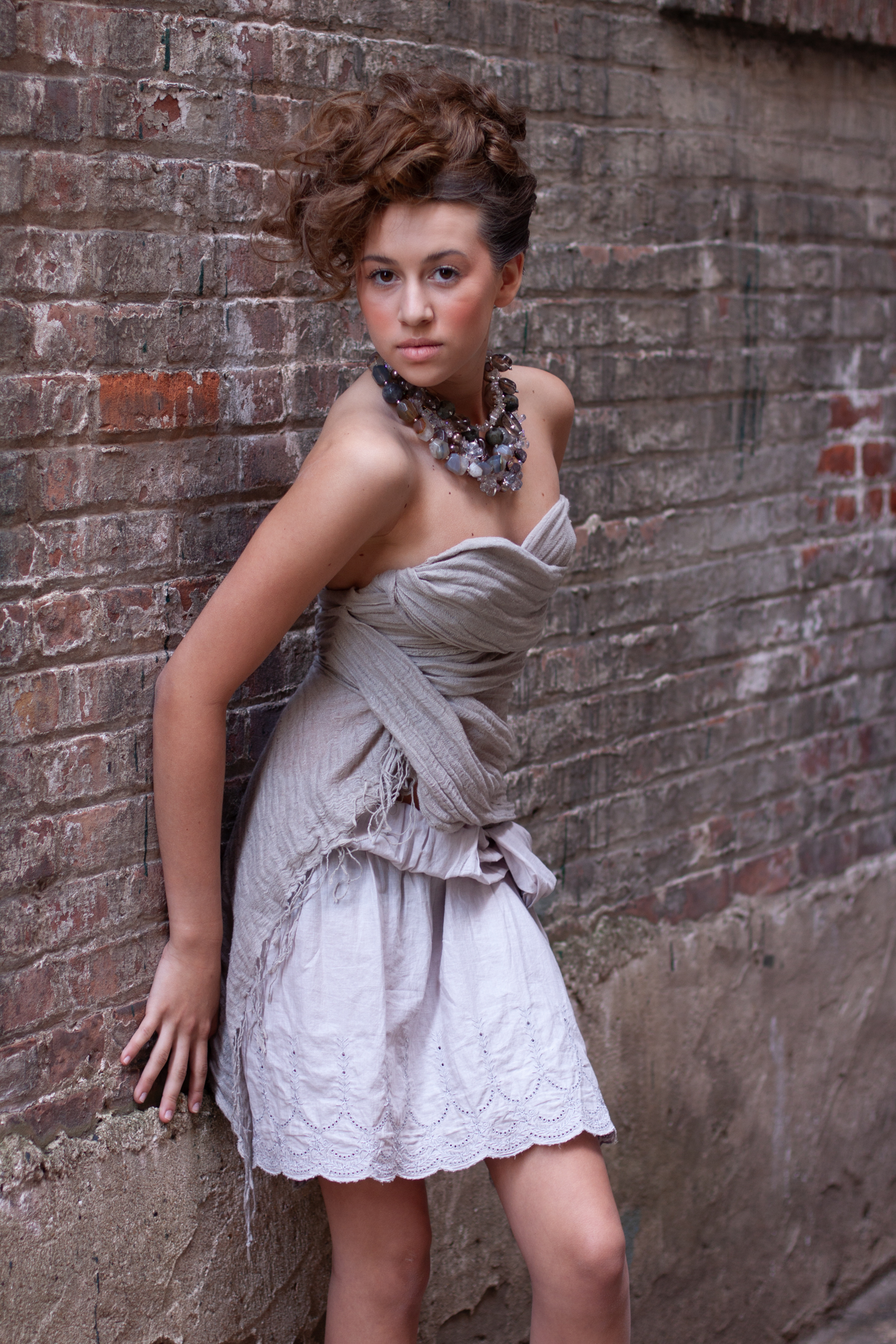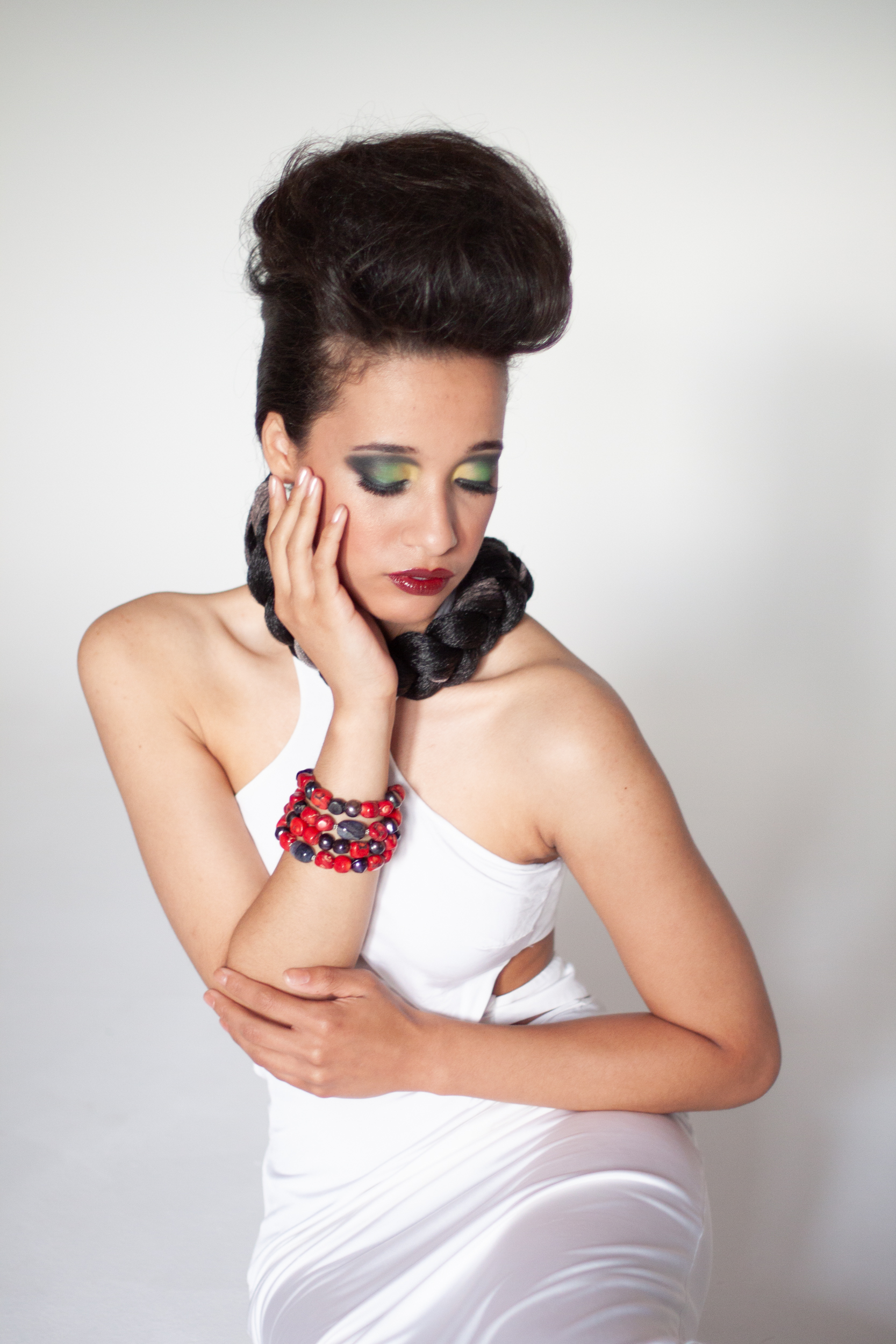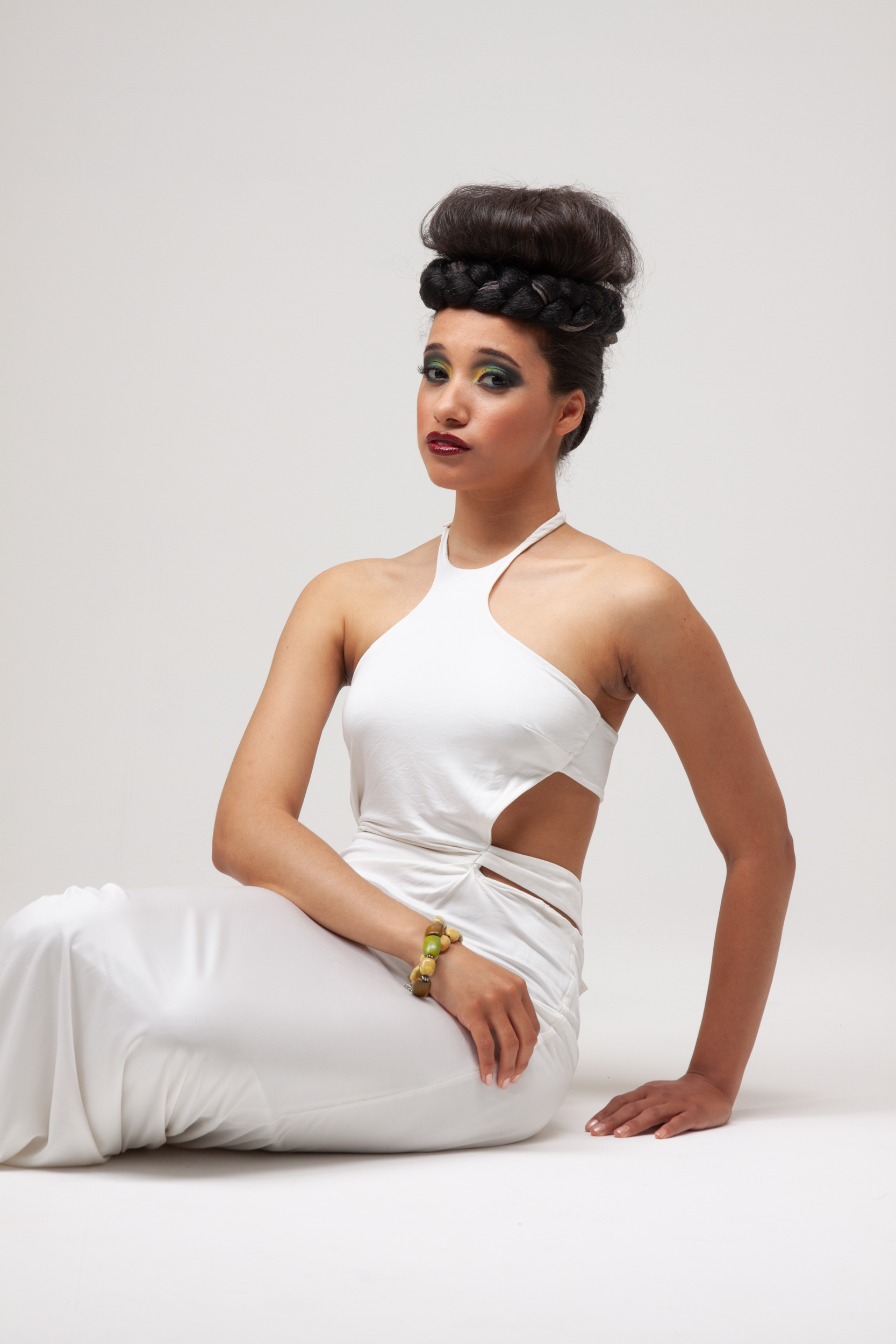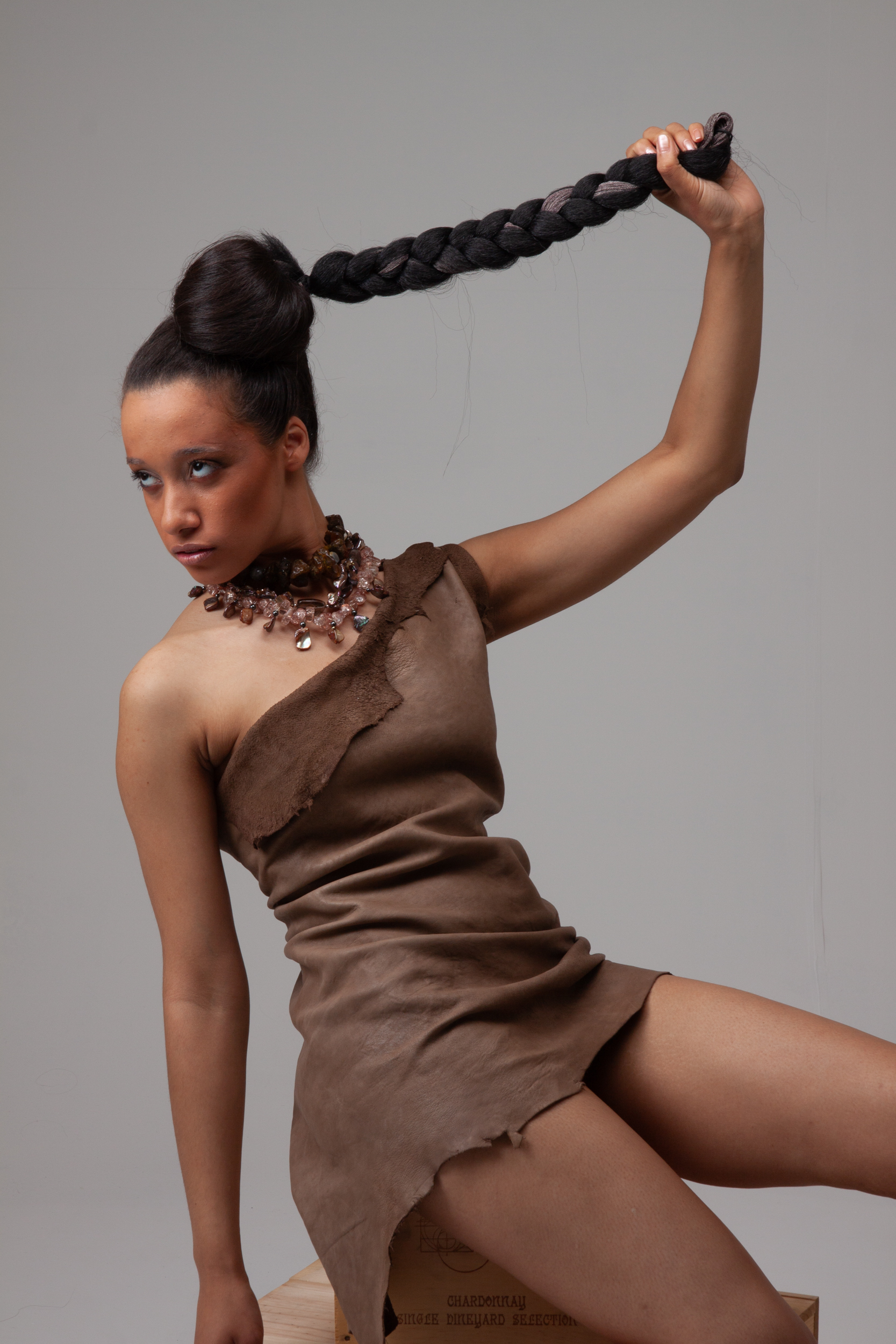
My creative process is not based on AI alone. It starts with real production knowledge: photography, cinematography, lighting, lenses, locations, direction, interviews, dialogue, story structure, editing, sound, and visual design.
I use AI as one part of a larger creative workflow — a visualization and development tool that helps shape ideas faster, test concepts, build mood, extend real photography, and explore directions before production. The foundation is still real-world image making: cameras, lenses, lighting setups, drones, studio work, location scouting, product photography, interviews, motion, and cinematic composition.
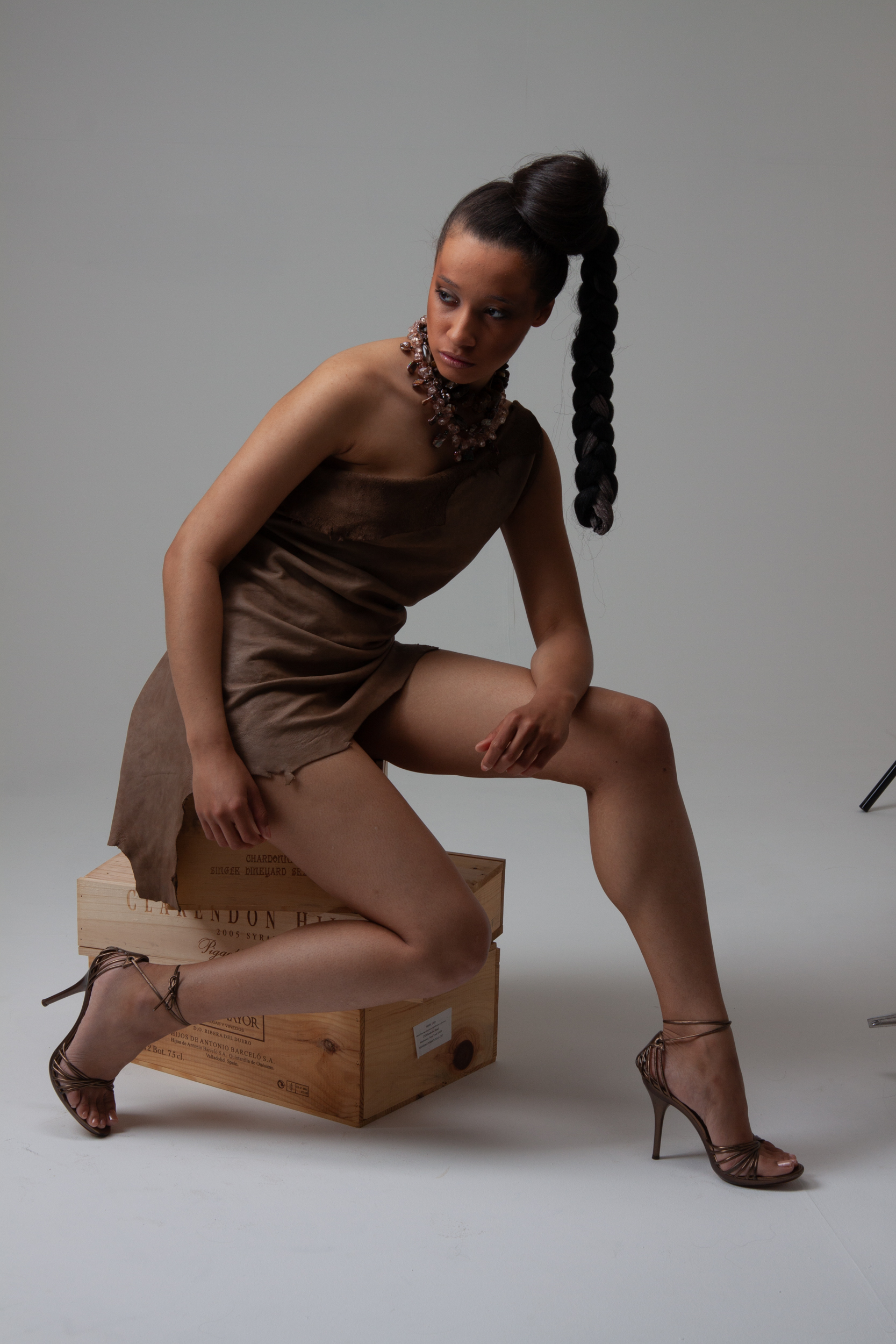
I work with real photos and video footage, then enhance or transform them when needed. I can preserve the original image, modify it, build around it, or use it as a reference for a larger campaign. The same applies to film and video: I think in scenes, shot structure, camera movement, lighting, dialogue, monologue, interview flow, pacing, sound design, and final edit.
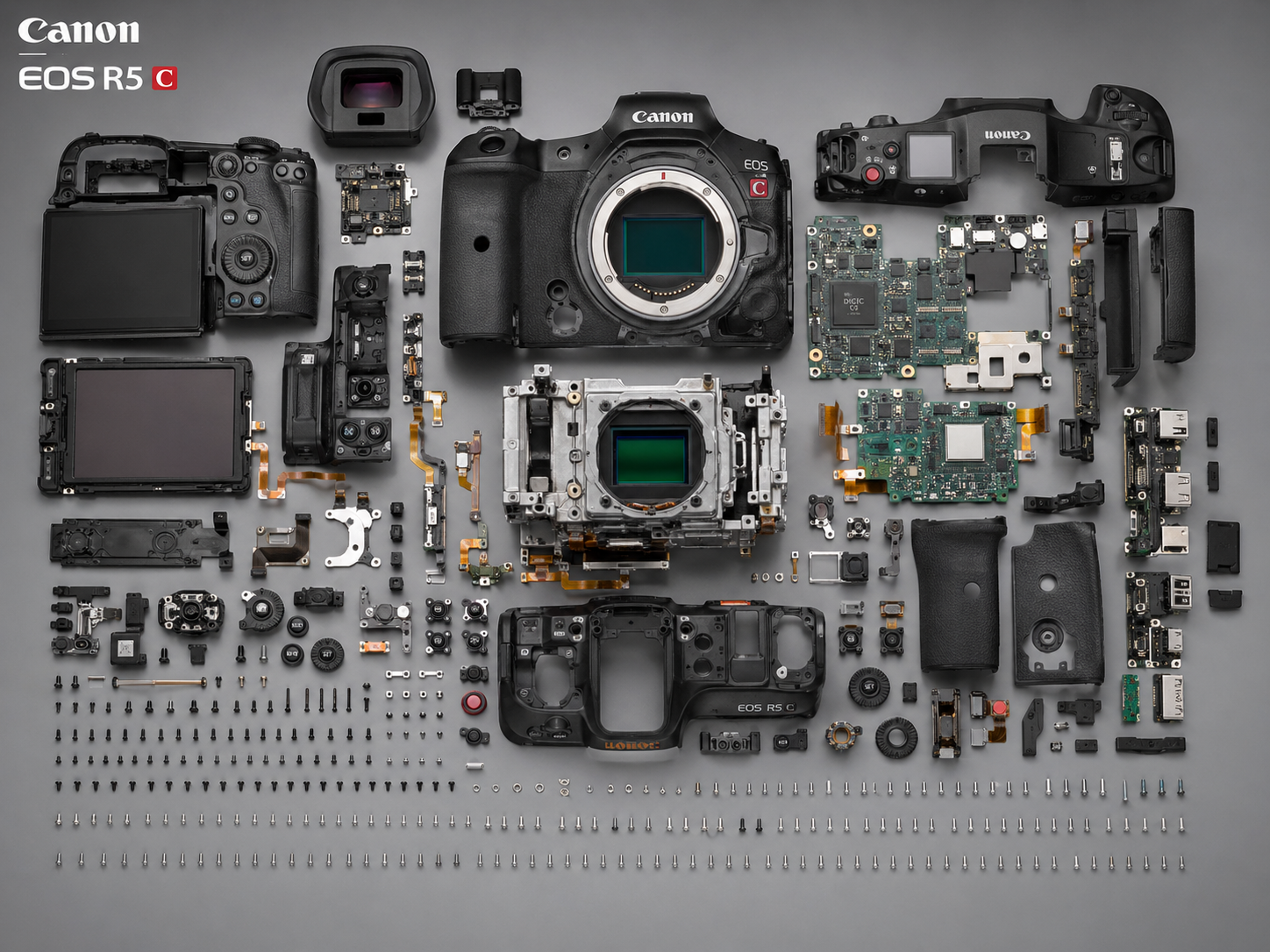
My strength is combining traditional production with modern tools. I can use Canon and RED cameras, professional lighting, drone footage, DaVinci Resolve, Photoshop, Unreal Engine 5, visual effects, sound effects, AI visualization, and cinematic editing to build complete photo, video, product, brand, or film concepts.
The goal is not to create random impressive images. The goal is to create visual direction with purpose — images, films, shorts, interviews, campaigns, and product stories that communicate clearly, sell an idea, introduce a product, build emotion, and motivate an audience to act.
| |